
Back

"건축을 공공의 관심사로 만들고 싶습니다."

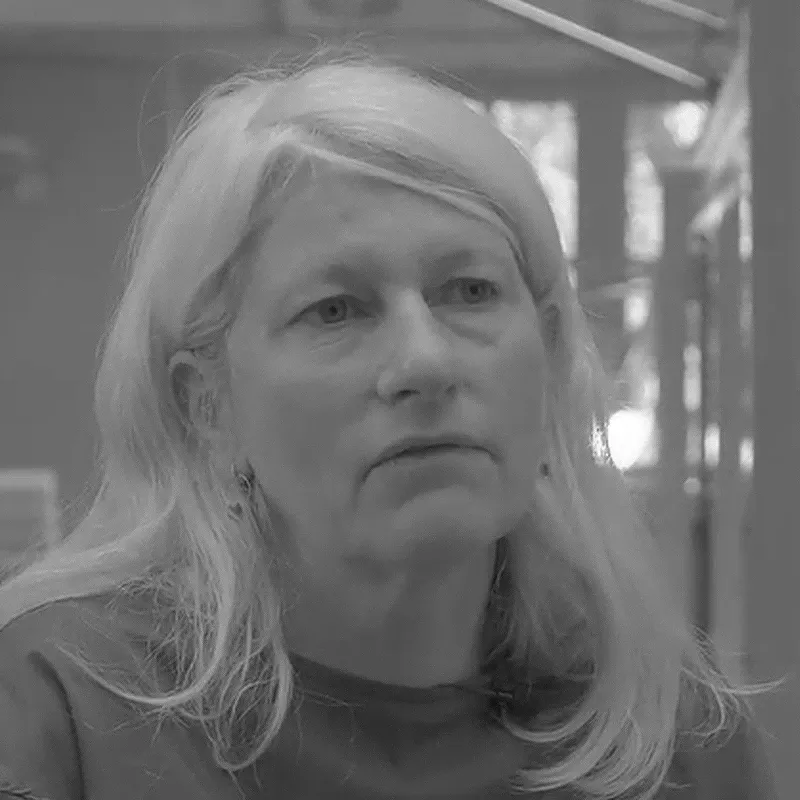
지오바나 보라시
캐나다 건축센터 관장

Giovanna Borasi
Director, Canadian Centre for Architecture (CCA)

Q1. CCA가 어떻게 시작됐는지 말씀해주시습니까?

CCA는 1979년 필리스 램버트에 의해서 공식적으로 시작되었습니다. 그때부터 필리스는 CCA의 사전 기반이 되는 자료들인 사진, 인쇄물, 드로잉 등을 수집해왔죠. 그 자신도 건축가였기 때문에 건축에 열정을 가지고 있었어요. 아이디어와 사물의 작동 원리를 이해하는 데 관심이 많았고, 건축 분야에서 과거를 연구하는 것이 현재를 이해하고, 다가올 미래를 이해하는 방법이라 생각했습니다. 그러던 중 건축에 기여하고, 건축을 큰 틀에서 이해할 필요성을 절감해서 CCA를 설립했습니다. 여기서 큰 틀이라 함은 단지 건물을 지칭하는 말이 아닙니다. 건물 너머에 있는 아이디어, 과정, 어바니즘, 조경, 생태학 등을 두루 일컫습니다. 도시를 말하기도 하고요.
필리스는 건축 관련 드로잉, 책 등의 자료를 건축 너머의 과정과 아이디어로 간주하고 연구하는 전담 기관이 있어야 한다고 생각했습니다.
그렇게 1979년에 시작된 CCA는 계획을 세우고, 컬렉션을 구축하고, 일하는 방식을 새롭게 하는 데 10년이 걸렸습니다. 당시만 해도 이런 종류의 기관이 많지 않았던 시기였죠. 그래서 드로잉을 목록화하고, 설명하는 방법까지도 다시 이해해야 했습니다. 처음 시도하는 것들이 많았어요. 그러는 10년 동안 건물을 계획했습니다. CCA 건물을 짓기 위해 많은 기관을 방문하며 사전 조사했습니다. 도서관이나 학습센터, 아카이브 수장고는 어떻게 운영하는지, 전시 공간은 어떻게 관리하는지 등을 파악했죠.

Q2. 1979년 이래 40년 동안 원래 CCA 미션이 변화거나 개정된 부분이 있나요?

미션은 항상 동일합니다. 건축을 공공의 관심사로 만드는 거예요. 이는 처음부터 지금까지도 여전히 유효한 사명이라고 생각합니다. CCA는 대중과 사회가 건축의 역할과 우리가 사는 방식에 어떤 변화를 가져올 수 있는지 이해하도록 돕는 역할을 적극적으로 하고 있습니다. 그래서 미션을 바꾸기 위해 논의한 적은 없습니다. 다만 비전이 좀 바뀌긴 했어요. 즉, 건축을 공공의 관심사로 만드는 것에 대한 해석이 달라졌는데, 이는 대중이 달라졌기 때문입니다.
CCA는 대중과 소통하는 방식이 매우 다릅니다. 처음에 필리스가 저에게도 몇 번 말했는데, CCA는 전문가이고 지식을 가지고 있기 때문에 대중에게 지식을 전달해야 한다고 했습니다. 그러나 지금은 그런 태도가 많이 달라졌어요. 우리는 질문을 하고, 논의가 필요하다고 생각하는 중요한 주제를 제시합니다. 대중을 교육한다고 생각하지 않습니다. 대중은 각자의 비전과 관심사에 대한 긴장감을 가지고 있으며, 우리가 제시하는 질문과 상호작용을 합니다.
따라서 현재의 비전은 건축을 사회와 연결하고, 건축이 어떻게 사회의 변화와 변혁을 도울 수 있는지 질문하고, 그것들을 이해하는 것입니다. 그래서 우리가 중요하다고 생각하는 일련의 주제를 제시합니다.
CCA의 정식 명칭이 ‘건축센터’라는 사실을 한번 생각해보세요. 우리는 첫 번째 대중은 건축 그 자체라고 언제나 이야기합니다.

말하자면, 건축에 대한 혹은 건축에 관한 센터가 아니라는 뜻입니다. 건축은 주제가 아닙니다. 건축에 관한 담론에 실제로 기여하는 것이 CCA의 역할인 셈이죠. 우리의 직접적인 대중은 건축가, 도시학자, 정책 결정권자입니다. 이들은 실제로 서구 건축을 다르게 이해하고, 도시를 다르게 설계하거나 또 다른 도시 활용법들을 시사할 수 있습니다. 우리는 국제센터라는 비전을 가지고 있습니다. 따라서 본래부터 혹은 소장품을 갖게 된 때부터 국경이나 제한은 없었어요. 즉, 흥미롭고 중요한 아이디어가 생긴다면 그 영역에 상관없이 아이디어의 중요성과 기여도에 초점을 둡니다. 이러한 방식으로 더욱 국제적으로 변화하고 있습니다.

Q3. 다양한 연구 프로그램과 다양한 방법, 협력을 통해 무언가를 만들어내는 것이 훨씬 쉽습니다. 모든 모임에서 단기 혹은 장기 연구 전략이 있나요?

우리는 단기 연구와 장기 연구 전략을 수립하고 공유하고 있습니다. 예를 들어 지금은 사진 소장품에 대한 장기 연구를 시작했습니다. 10년, 혹은 12년이나 15년이 될지, 8년이 될지 모르겠지만 우리는 10년 장기 계획이라는 이름으로 계획을 세웁니다. 그 과정에서 여러 전시와 세미나, 출판 등을 할 것입니다. 예를 들어 과거에는 디지털의 고고학이라는 프로젝트를 했는데, 컴퓨터가 건축가의 테이블 위에 등장한 이후 건축에 일어난 디지털 태생의 재료와 변화를 살펴보았습니다.
이러한 장기 프로젝트는 어떤 식으로든 기관을 변화시키는 프로젝트입니다. 사진에 대한 이 프로젝트의 아이디어는 우리가 중요한 소장품을 보유하고 있지만, 앞으로 다른 종류의 자료들을 수집하기 시작하면 어떻게 해야 할지, 더 이상 사진이 존재하지 않고 지금은 모두 디지털로 제작되는 상황에서 사진이라는 매체가 무엇인지 이해하는 것입니다. 그렇다면 어떤 일이 수반될까요? 우리는 영화를 직접 많이 제작하고 있는데요. 단순히 사진이나 영상을 수집해 많은 영상을 제작하는 기관과 어떤 관련이 있을지 질문하면서 영화를 제작하게 됩니다. 이처럼 우리가 정말 하고 싶은 장기 프로젝트는 연구 주제뿐만 아니라 기관의 변화 가능성에 대한 내부적인 질문이며, 기관의 많은 부분이 거기에 관여하고 있습니다.

Q1. Can you tell us how CCA started?

The Canadian Centre for Architecture (CCA) was officially founded in 1979 by Phyllis Lambert. From that time, she began collecting photographs, prints, drawings, and other materials that would form the foundation of the CCA’s collection. Being an architect herself, Phyllis had a deep passion for architecture. She was interested in ideas and in how things work, and she believed that studying the past in architecture was a way to better understand the present and to anticipate the future. Through this conviction, she felt the need to contribute to architecture and to foster a broader understanding of it. By “broader,” she did not mean architecture limited to buildings, but rather the ideas and processes behind them—urbanism, landscape, ecology, and more. It also meant looking at the city itself.
Phyllis believed that there needed to be a dedicated institution to study architectural materials such as drawings and books, treating them as records of processes and ideas that extend beyond architecture as built form.
From its founding in 1979, it took about ten years for the CCA to plan, build its collection, and develop new ways of working. At that time, there were not many institutions of this kind, so even the very methods of cataloguing and describing drawings had to be reconsidered. Many things were being tried for the first time. During those ten years, the planning for the CCA building itself was also underway. Phyllis and her team visited many institutions to conduct preliminary research—studying how libraries and learning centers operated, how archives were managed, and how exhibition spaces were run.

Q2. Has there been any change or revision to the original CCA mission over the 40 years since 1979?

The mission has always remained the same: to make architecture a matter of public concern. I believe this is a mandate that has been valid from the very beginning and continues to be so today. The CCA actively helps the public and society understand the role of architecture and how it can bring about changes in the ways we live. For this reason, the mission has never been up for debate. What has changed, however, is the vision. In other words, the interpretation of what it means to make architecture a public concern has evolved—because the public itself has changed.
The way the CCA engages with the public is very different now. Phyllis once told me several times in the early days that the CCA, as an expert institution with knowledge, had a responsibility to transmit that knowledge to the public. But that attitude has shifted significantly. Today, we see ourselves as asking questions and introducing important topics that call for discussion. We do not see ourselves as educating the public. The public already carries its own visions, concerns, and tensions, and interacts with the questions we raise.
The current vision, then, is about connecting architecture to society, asking how architecture can contribute to social change and transformation, and working to understand these processes. That is why we put forward a set of themes that we consider important.

Think for a moment about the CCA’s official name—the “Centre for Architecture.” We have always said that our first public is architecture itself. In other words, we are not a center about architecture, nor a center for the study of architecture. Architecture is not simply the subject—it is the discourse itself that the CCA contributes to. Our direct publics are architects, urbanists, and policymakers—people who can actually reshape the understanding of Western architecture, design cities differently, or propose alternative ways of using the urban environment. We also work with the vision of being an international center. From the beginning, and from the moment the collection was established, there were never borders or limitations. What matters is the relevance and significance of ideas, wherever they may arise. In this way, we are becoming ever more international.

Q3. It's much easier to create something through diverse research programs, diverse methods, and collaborations. Does every group have a short-term or long-term research strategy?

We are establishing and sharing both short-term and long-term research strategies. For example, we have now begun a long-term study on our photography collection. We do not yet know whether it will span 10, 12, or 15 years—or perhaps only 8—but we are formulating it under the title of a 10-year plan. Along the way, we will organize various exhibitions, seminars, and publications. In the past, for instance, we undertook a project called Archaeology of the Digital, which examined the digitally born materials and transformations in architecture that emerged once computers appeared on architects’ desks.
Projects of this scale inevitably transform the institution in some way. The idea behind the photography project is to understand what the medium of photography means now: although we hold significant photographic collections, we must consider how to respond if we begin acquiring other kinds of materials in the future—or in a time when photographs, as physical objects, no longer exist and everything is created digitally.
This raises further questions: what does this entail for us as an institution? We also produce many films ourselves. By making these films, we ask how collecting and producing such an abundance of images relates to the kind of institution we are or wish to become.In this way, the long-term projects we truly wish to pursue are not only about specific research topics but also about posing internal questions regarding the institution’s potential for change—projects in which many parts of the institution are deeply involved.

한국건축아카이브
Korean Architecture Archive (KAA)
@k_arch_archive
karch.archives@gmail.com