
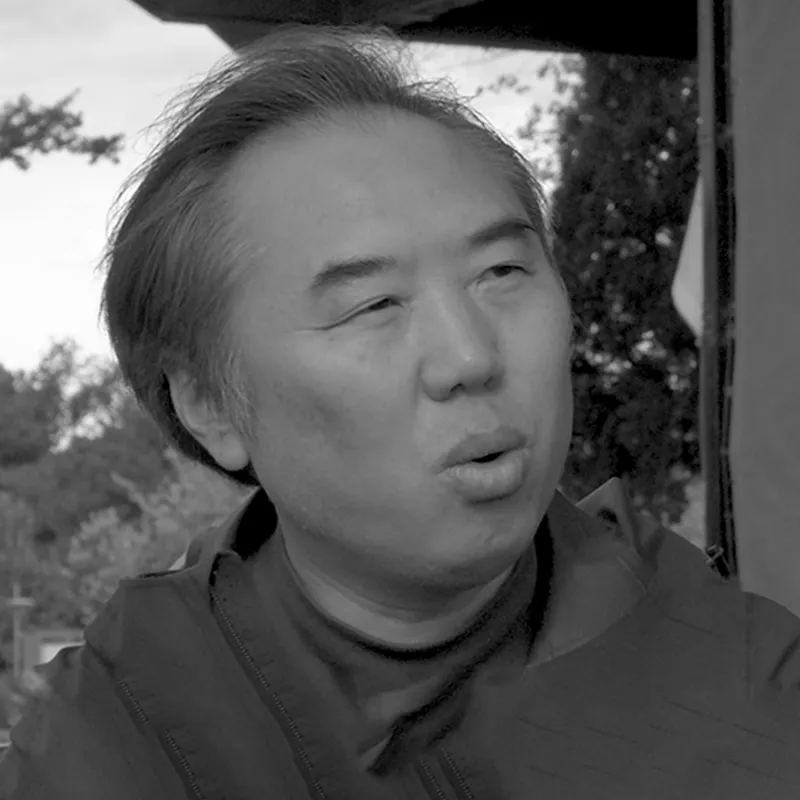
저는 여기 와서 보기 전에는 한국관의 존재에 대해서 몰랐어요. 어느 날 김원철 건축사가 연락이 와서 이런 건물이 있다고 이야기를 해줬습니다. 막상 제가 처음에 와서 봤을 때는 이 건물이 왜 여기에 있지?라는 생각을 했어요. 왜냐하면 일단은 엑스포 67과 연관된 줄도 몰랐고, 또 우리가 알고 있는 김수근 선생님의 전형적인 작품과 형식이 너무나 달랐으니까요. 그래서 왜 이 건물이 여기 있을까? 하는 그런 의구심부터 갖게 됐어요.
처음 한국관을 봤을 때는 제 기억으로는 일단은 건물 주변으로 철제 울타리가 있어서 안에 접근할 수 없었어요. 나무로 된 보가 부식이 되어서, 그 안이 다 보일 정도로 아주 나쁜 상태였고요. 물론 지금은 좀 정돈된 것 같은데, 그때는 주변이 더 정돈이 안 돼 있었죠. 어떻게 보면 황폐화된 건물, 버려진(abandoned) 건물 같은 느낌이 있었어요. 전반적으로 이게 진짜 김수근 선생님 작품이 맞나라는 그런 의심이 들 정도였죠.
첫째로는 몬트리올시의 관점에서 보면 공원 안에 이런 건물이 이용되지 않고 그냥 버려져 있다는 자체가 안타깝죠. 그러니 한국관이 빨리 복원되어서 새롭게 이용되어 이 건물이 다시 살아날 수 있으면 좋겠고요. 또 한 가지는 역사적 의의입니다. 모든 나라가 다 비슷한데, 전통 사회에서 근대로 넘어오면서 건축에 변화가 많았어요. 그런 가운데 건축가가 어떤 흔적을 남기는 경우가 많지 않은데, 그 흔치 않은 경우가 김수근 선생님이시죠. 그런 흔적이 이렇게 여기에 있으니, 건축적 가치를 말하기 전에 역사적으로 의미가 있기 때문에 잘 보존되고 부각되었으면 하는 바람입니다.
Before coming here, I didn’t even know the Korean Pavilion existed. One day, architect Kim Won-chul contacted me and told me about this building. When I first saw it in person, I wondered, “Why is this building here?” Because at first, I didn’t even realize it was related to Expo 67, and it looked very different from the typical works and style of architect Kim Swoo-geun, whom we all know. So, I started with some skepticism, asking myself why this building was here. From what I remember, when I first saw the Korean Pavilion, there was a metal fence around it, so we couldn’t get close. The wooden beams were decayed, and the condition was so poor that you could see right through it. Of course, it seems to be somewhat tidied up now, but back then, the surroundings were much more neglected. It gave the impression of a rundown, almost abandoned building. Overall, I even doubted whether it was really a work by Kim Swoo-geun.
Firstly, from the perspective of the city of Montreal, it’s quite unfortunate that a building like this, located within a park, is left unused and abandoned. I hope the Korean Pavilion can be restored quickly, put to new use, and brought back to life. Secondly, there is its historical significance. This is similar in many countries — as societies transition from traditional to modern, there are many changes in architecture. It’s rare for architects to leave behind lasting traces during such periods, and Kim Swoo Geun is one of those rare figures. Since his work remains here, beyond just architectural value, it holds important historical meaning. I hope it will be well preserved and properly highlighted.